
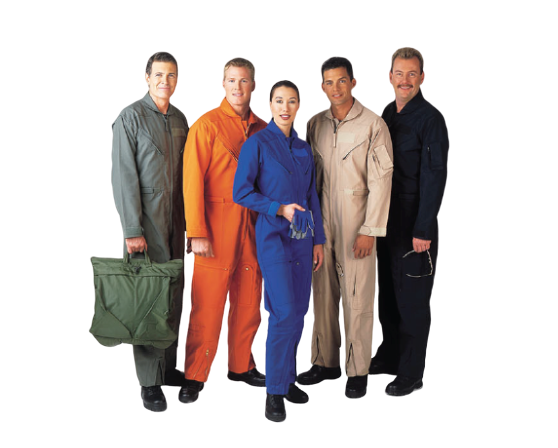
Gibson & Barnes is America’s premier source for flight suits, flame-resistant protective clothing, helmets, and personal body cooling.
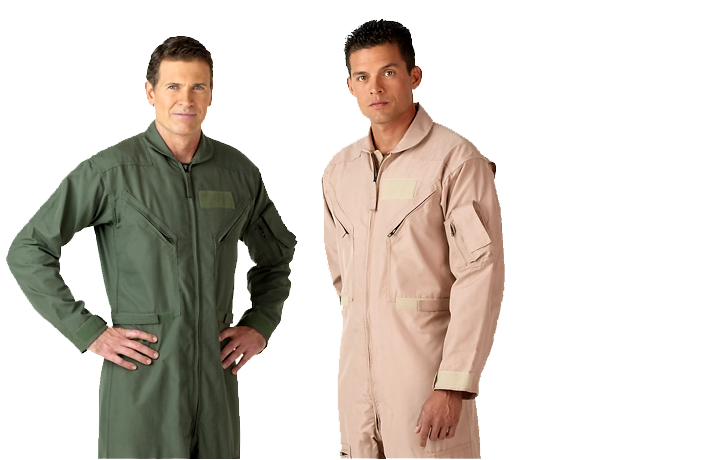
Gibson & Barnes manufactures flight suits, jackets, pants, and protective flame-resistant clothing for aviation, emergency medical, law enforcement, and industry.
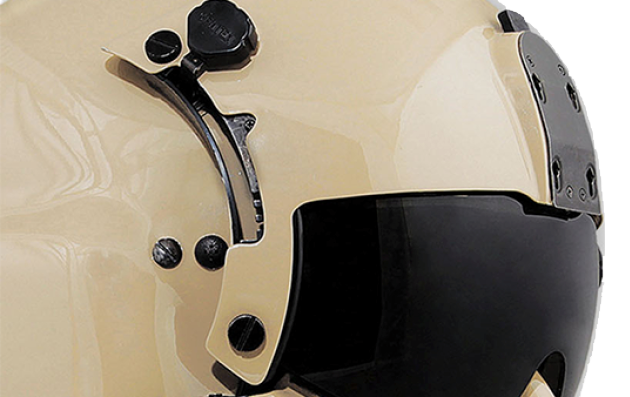
Gibson & Barnes supplies Gentex flight-crew helmets, parts, and communications. Gentex helmets are approved by the US military, the Interior Department, and air medical and law enforcement authorities.
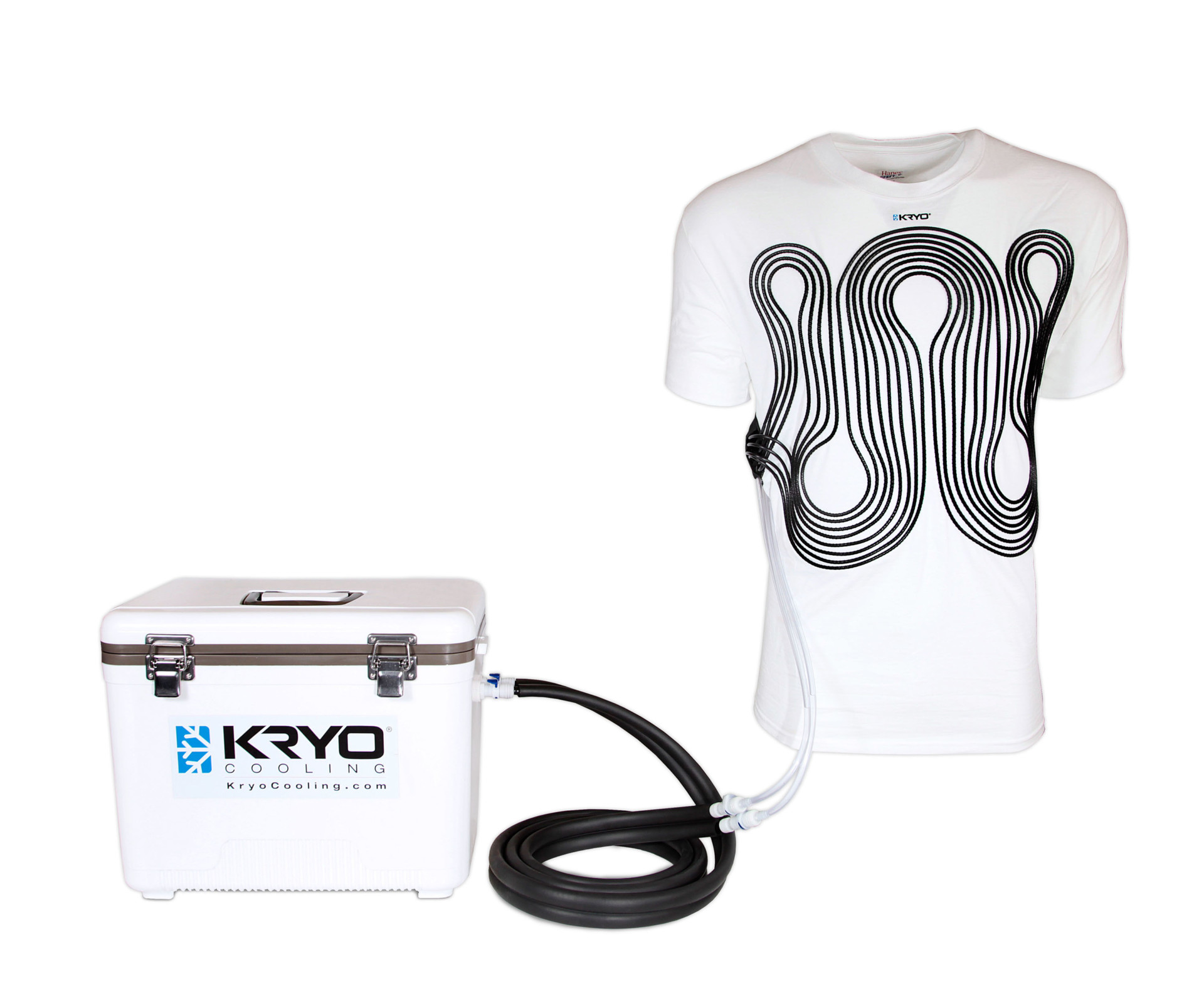
Gibson & Barnes manufactures personal body cooling systems and garments. They are used by the US military, aviation, law enforcement, industry and in space. Body cooling reduces fatigue and heat exhaustion.
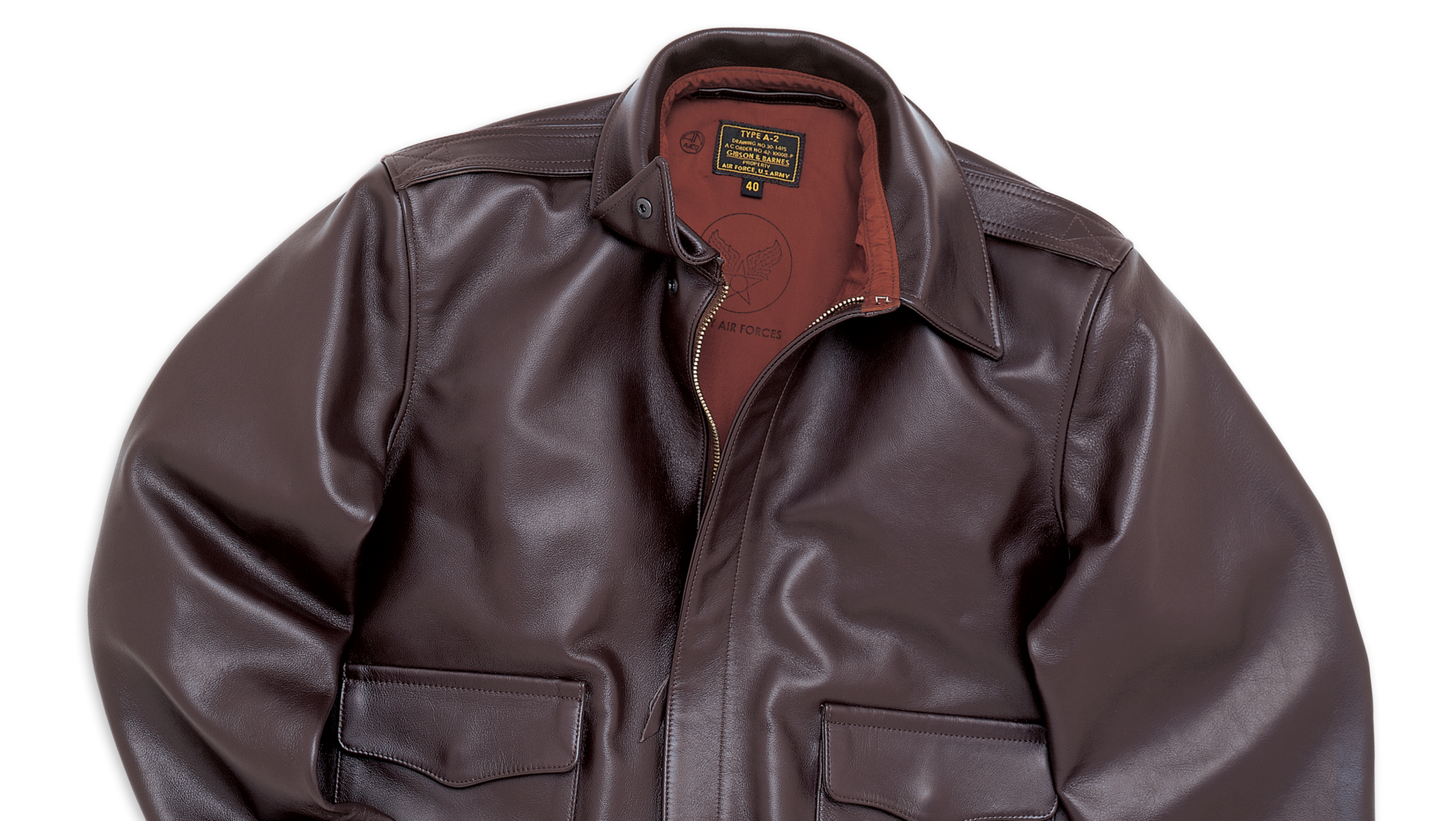
Gibson & Barnes manufactures authentic Air Force A-2, Navy G-1, and Airline leather jackets. We use historically accurate patterns, grade A goatskin, hand cutting, and precision sewing.