| Navy
and Marine Corps aviators wore russet brown leather nametags on their M-422A flight
jackets and flight suits. Squadron parachute riggers cut their own nametag blanks
from full full hides of russet brown cowhide. They cut 2 X 4 and 2 X 5 inch tags,
but the 2 X 4 inch tag is best proportioned and became the standard.
The rigger embossed the wings and name into the leather using metal wing dies and hand-set
metal letters. Every squadron had a Kingsley hand-operated embossing machine.
Once the machine was hot, the rigger placed a strip of gold foil over the tag and pressed
the wings into the leather.
When the tag was ready, the rigger sewed the nametag onto the
aviators' M-422A leather jackets, or set snaps into the four corners of the tag if it
would be worn on a cotton flight suit. They also set four matching snaps above
the left pocket of the aviators' flight suits.
The wings on early nametags are different from the current
Naval Aviator wings. They are more angular than the current wings and are completely
filled in with gold foil. Current issue wings have curved feathers merely outlined
in gold.
The aviator's name, rank, and service were set in two lines.
The first line included the aviator's rank, initials, and last name. The
service (USN, USNR, USMC, or USMCR) was centered under the first line. Today the
aviator's name is on the first name and his rank and service are on the second line.
When we create your historical Naval Aviator nametags,
we use hand cut russet brown cowhide. We sorted through bundles of hides to find one
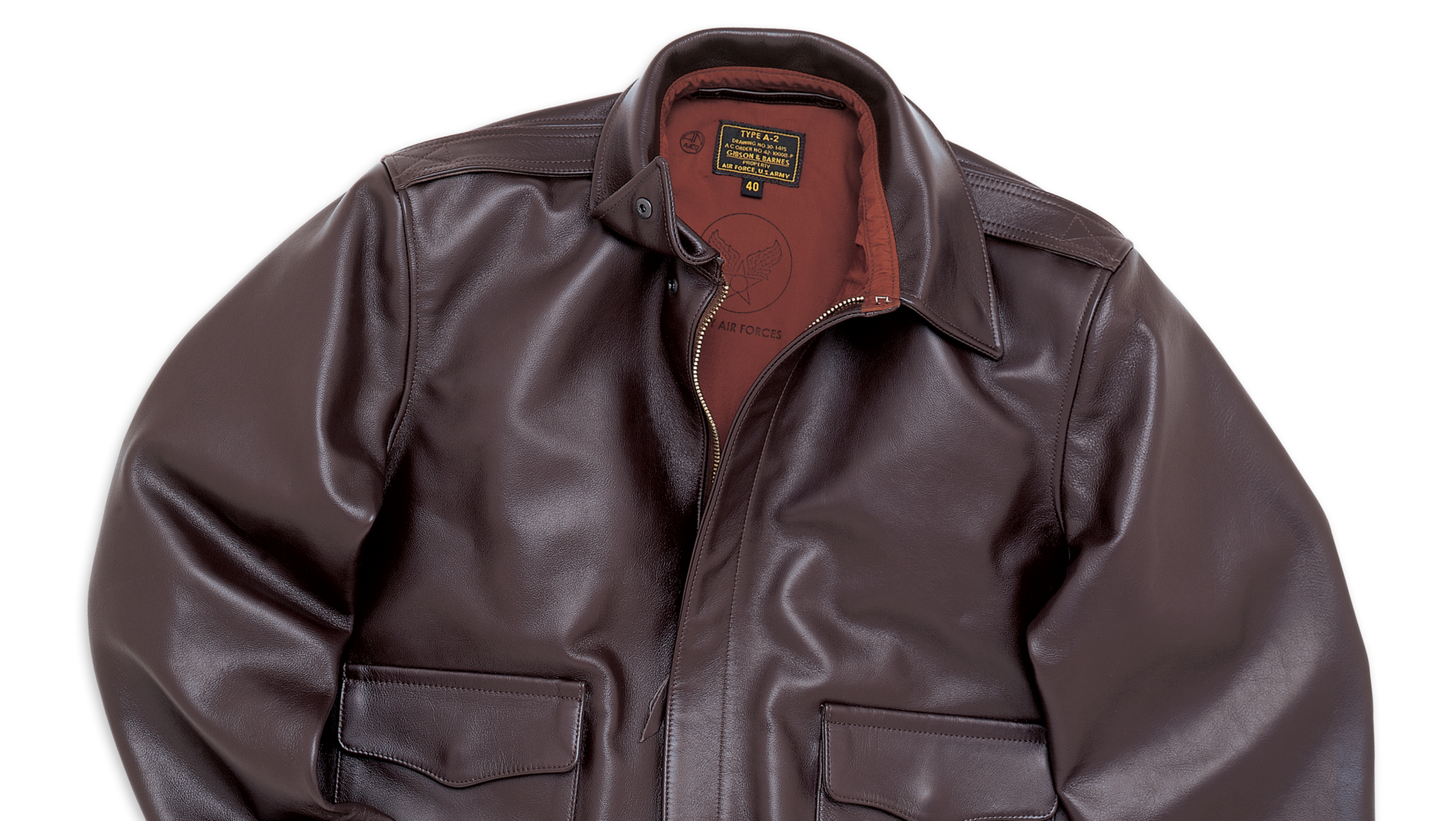
or two that are a russet brown that is a pleasing contrast with the brown of the M-422A
jacket.
We use an actual WWII wing die and emboss your name in 1/4
inch or 3/16 inch lettering, using the same type styles used during World War II.. |